I've been replying to threads in the permaculture disscussion group on Facebook, and decided to re-post some of them here.
Annual vegetables needn't be grown in rows of identical plants. Giant farms do it because their tractors like straight lines and it makes harvesting faster to have one crop all together. But in a yard, the extension of your home, aesthetics should matter, and when you create a beautiful space you want to live in, you'll give your garden way more of your time and attention, I promise. It's beneficial to have different things growing next to each other, with flowers for attracting beneficial insects throughout the whole space. The most direct competition for resources comes from the same species of plants growing next to each other. A row of the same plant also makes it easy for bugs who like that plant to find one and then the rest of them down the line. If you think of the (perennial and annual) vegetables as landscaping plants you can eat, you'll create a much more beautiful space than the rows of a basic (rather uncreative) back yard garden. Looking at the architecture of each plant can help you create clumps or groupings of things with different heights and shapes. You can use the shade of something that likes full sun (like tomatoes) to shelter a smaller something that doesn't mind some shade during the hot times of the year (like lettuce or basil). Also, rows maximize pathway area, and in a small space you want to have as much square footage devoted to food as possible. Key hole beds and mandala gardens offer shapes that maximize planting area while ensuring that you can easily reach the plants.
Some species need at least one other sister plant near them for pollination (and therefore fruiting) to take place, but most of the time back yards are small enough that it isn't an issue for the other tomato or whatever to be several yards away. A few plants, corn for instance, need to be in a closely planted group of themselves for adequate pollination, but I personally don't think corn is the best crop for a small scale garden -seems to do better the more numbers there are. We tried the native american method of growing corn, beans, and squash in one patch, and honestly I think it made harvesting each of those things at the end of the summer way more of a hassle. The idea is that the squash is the ground cover for shading out weeds, and the corn provides the trellis for the beans, which provide nitrogen for the corn and the squash. This is an example of "over-yielding polycultures", what permaculturists strive to create in their gardens: combinations of plants that benefit each other, creating situations where they can yield more than if they were grown all alone.
If your yard is at all sloped, it's in your very best interests to think about how water runs down hill when you're planning where to put beds. You may need to create low earth mounds on the down slope side of the bed to prevent the water from just flowing away.
this link talks about polyculture plantings in a mandala shape:
http://www.permaculture.org/nm/index.php/site/Permaculture-Mandala-Garden/
and this one has nice drawings of key hole bed set up:
http://www.the-gardeners-calendar.co.uk/tgc2009/news/story.asp?nid=2414
December 14, 2009

December 3, 2009
How to Hang a Sign In a Tree

 and a view of our gate, which I think is rather picturesque.
I've seen many many signs nailed directly to trees, and it always makes me sad. Firstly, driving a couple rusty stakes into a tree trunk usually eventually results in damage and probable death of the tree. As the tree swells and grows around the nail, it doesn't take too long to pop the sign right off the tree, leaving a few nails and an ugly scar.
We made some signs to hang up around the property, the obligitory "stay out" signage I guess, and hung them up down at the front gate yesterday. I made stencils with hand drawn font, and used water base enamel paint on some recycled galvanized sheet metal for the final sign. We screwed the metal to pieces of cedar and used hardware to attach chains to the wood. Looping one chain around a branch and another around the trunk securely attached the sign. Some moss will be scraped off where the chain rubs but there are no punctures or girdles to the trunk. We'll have to loosen the chain around the trunk in a few decades. This is a mature ash tree, a slow growing hardwood that likes creek bottom areas. We're not sure of the specific variety of ash, I'll get back to you when we're better at that kind of thing.
My Review of Loose Tights II
Originally submitted at Ibexwear
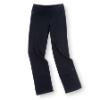
There's a reason our tights are great sellers, year in and year out. And that reason is our Energy fabric. It's made of New Zealand Merino, naturally, here in a winter weight. But it also has a touch of nylon and Lycra - around the office we call it stretch wool. This is fabric that moves w...
love them! but my body is special...
By fishermansdaughter from big bend, ca on 12/3/2009
Fit: Feels true to size
Pros: Warm, Comfortable, Breathable, Allows Free Movement, Durable
Cons: Too Long, Fabric Shrinks
Best Uses: Yoga, Sports, Cold Weather, Running, Gym, Casual Wear
Describe Yourself: Frequent Exerciser
I am usually a very solid "medium" when it comes to anything below the waist. However, I have a really small waist in relation to hips (28-39), plus a pretty short inseam, and am at this point in womanhood very accustomed to altering clothes to fit me more perfectly. The pattern design of these pants is superb - no side seams make the heavy-ish fabric work well - they're not at all bulky or uncomfortable. I am, after washing them and drying them on "hot" in an effort to shrink them (it worked but not quite enough), finally working up the courage to cut them apart and take up the top of the back seam a bit, so that the band rides at my natural waist. But this is not to be taken a criticism of these pants in general. Like I said, I done this before, and it's because I'm (apparently) not shaped like many other people. I bought them for yoga in cold rooms, but I've been wearing them waaaay more than I thought I would. You can go out in public in them and not look like you're in your jammies, but feel like you're in your jammies, maybe even still in bed. Great buy!
(legalese)
Subscribe to:
Posts (Atom)
